台灣慢城聯盟Cittaslow Taiwan Alliance

第一屆台灣慢城
人氣小鎮選拔
The 1st Cittaslow Taiwan
Popular Town Vote

你的一個讚,選出心中的慢城小鎮One Like for your favourite slow town

全臺 12 個國際慢城認證鄉鎮齊聚,從排灣原鄉到離島戰地。往下瀏覽各鄉鎮介紹,點「前往投票」開啟該鄉鎮的 Facebook 貼文,按讚 👍 即完成投票。Twelve Cittaslow-certified townships across Taiwan, from Indigenous Paiwan homelands to offshore islands. Browse below, tap "Go Vote" to open a township's Facebook post, and press Like 👍 to cast your vote.

瀏覽 12 鄉鎮Browse the 12 towns 投票截止:2026 年 8 月 13 日(四)20:00Voting closes: Aug 13, 2026 (Thu) 20:00

投票方式How to Vote

  1. 1

    選擇你支持的鄉鎮,點「前往投票」Pick the township you support and tap "Go Vote"

  2. 2

    開啟該鄉鎮的 Facebook 貼文(需登入 FB)The township's Facebook post opens (FB login required)

  3. 3

    對貼文按讚 👍,完成投票!Like 👍 the post — your vote is counted!

🏆 得獎結果將於 2026 年 8 月 14 日「慢城 漫程 瑪家行——2026 第七屆台灣慢城聯盟年會」公布並頒獎。🏆 Results will be announced and awarded on Aug 14, 2026 at the 7th Cittaslow Taiwan Annual Meeting — "Cittaslow Majia".

💡 可為多個鄉鎮按讚投票,喜歡的小鎮都可以支持!💡 You may Like and vote for multiple townships — support every town you love!

按讚 👍 = 投票A Like 👍 = A Vote

每張卡片的「前往投票」都會開新分頁到該鄉鎮的 FB 貼文Every "Go Vote" button opens that township's Facebook post in a new tab

參選鄉鎮The Candidates

12 個慢城,12 種慢的樣子Twelve Cittaslow Towns, Twelve Ways of Slow

依活動編號排序。點卡片上的「展開完整介紹」可閱讀全文;喜歡哪個小鎮,就去它的貼文按個讚吧。Listed by entry number. Tap "Read full introduction" on a card for the full story — then go Like the post of the town you love.

屏東縣Pingtung County

瑪家鄉Majia Township

文化與土地共生的排灣慢城A Cittaslow Where Paiwan Culture and the Land Flourish Together

瑪家鄉依偎大武山,沿著185沿山公路串聯山腳聚落、原鄉部落與農業地景,以排灣族文化、山林環境及多樣生活樣貌,構成鮮明而富有層次的慢城風貌。Nestled beneath Mt. Dawu and connected by Provincial Highway 185, Majia Township links foothill settlements, Indigenous villages, and agricultural landscapes into a distinctive Cittaslow community.

展開完整介紹收合介紹Read full introductionCollapse

小米、紅藜、咖啡、可可與芒果等作物,不只是地方物產,也連結著飲食、祭儀、農事知識與世代記憶。每年依循農作節奏舉行的收穫祭,讓族人在歌舞、祈福與分享中感謝土地與祖靈。

走進禮納里部落、舊筏灣石板屋群與沿山公路上的部落,可看見族人透過家屋、族語、古謠、工藝及文化導覽,在遷徙、重建與當代生活中延續排灣文化。位於平原與山區交會處的三和部落,則呈現工藝與農業彼此交織的地方樣貌。編織、手作等文化技藝,與小米、紅藜及果樹等農業生產共同發展,展現居民以土地為根、以創意延續生活的行動。瑪家的慢,不只停留在山林風景,而是讓文化與傳統知識回到日常,讓不同部落與世代共同走向永續生活。

Shaped by the traditions of the Paiwan people, the surrounding mountain environment, and a rich diversity of local lifestyles, Majia reflects a harmonious relationship between people, culture, and nature.

Millet, red quinoa, coffee, cacao, and mangoes are more than agricultural products. They embody local food traditions, ceremonial practices, ecological knowledge, and memories passed down through generations. The annual Harvest Festival, held in rhythm with the agricultural calendar, brings the community together through song, dance, blessings, and shared celebrations to express gratitude to the land and ancestral spirits.

Visitors can explore Rinari Community, the Old Kaviyangan Slate House Settlement, and the Indigenous villages along Provincial Highway 185, where traditional architecture, the Paiwan language, ancient songs, handicrafts, and community-led cultural interpretation continue to sustain cultural identity while embracing contemporary life.

At Sanhe Community, where the plains meet the mountains, traditional crafts and agriculture have developed side by side. Weaving and other artisanal practices coexist with the cultivation of millet, red quinoa, and fruit trees, reflecting a way of life rooted in the land while fostering creativity and resilience.

In Majia, "slow" is not defined merely by the pace of life or the beauty of its mountain landscape. It is expressed through the continuation of cultural traditions, the transmission of Indigenous knowledge, and the shared commitment of different communities and generations to building a sustainable future.

排灣文化Paiwan Culture沿山部落Indigenous Villages工藝農業Traditional Crafts & Sustainable Agriculture
前往投票Go Vote
鳳林鎮代表照片代表影像Photo

花蓮縣Hualien County

鳳林鎮Fenglin Township

晴耕雨讀,守住客庄生活的慢節奏Living the Hakka Tradition Through the Rhythm of the Seasons

鳳林鎮位於花東縱谷北段,是臺灣最早通過國際慢城認證的鄉鎮之一,也是一座保有客庄農村氣質與深厚文教傳統的小鎮。Located in the northern section of the Huatung Valley, Fenglin Township was among the first communities in Taiwan to receive Cittaslow certification.

展開完整介紹收合介紹Read full introductionCollapse

鳳林以「校長之鄉」聞名,長久累積的教育風氣,形塑出安靜而厚實的人文底蘊。走進中山路巷弄、客家夥房與農村聚落,可以看見紅磚老屋、庭院植物、曬菜景象,以及保存完整的日式菸樓建築群,感受仍然貼近居民日常的生活風貌。

鳳林的地方產業也與土地緊密相連。植物染、花生糖、農產加工與友善耕作,展現職人對材料、技藝及環境的珍惜。地方歲時則在稻作循環、客庄收冬戲與阿美族豐年祭之間展開,居民透過祭典、歌舞及分享,回應一年來的土地勞動。鳳林想守住的,不只是菸樓、夥房與田園景觀,更是「晴耕雨讀」、珍惜物資及彼此信賴的生活態度,讓慢不只是旅遊方式,而是一種尊重文化與維持生活品質的地方選擇。

It is a town distinguished by its Hakka rural heritage and a longstanding tradition of education. Known as the "Hometown of Principals," Fenglin has cultivated a rich cultural atmosphere through generations of commitment to learning and community life.

Strolling through the lanes of Zhongshan Road, traditional Hakka courtyard houses, and surrounding rural settlements, visitors encounter red-brick residences, leafy gardens, vegetables drying in the sun, and one of Taiwan's best-preserved collections of Japanese-era tobacco curing barns. Together, these landscapes continue to reflect a way of life that remains closely connected to the everyday experiences of local residents.

Fenglin's local industries are equally rooted in the land. Botanical dyeing, peanut confectionery, agricultural processing, and environmentally friendly farming all demonstrate the dedication of local artisans to craftsmanship, natural materials, and environmental stewardship. Throughout the year, community life unfolds with the rice-growing cycle, Hakka Winter Harvest Opera performances, and the Amis Harvest Festival, where celebrations of song, dance, and shared meals express gratitude for the year's harvest.

What Fenglin seeks to preserve is not only its tobacco barns, Hakka courtyard houses, and rural scenery, but also a way of life embodied by the traditional ideal of "working in the fields on sunny days and studying on rainy ones." This spirit of valuing resources, mutual trust, and lifelong learning makes "slow" not simply a style of travel, but a conscious choice to respect cultural heritage and enhance quality of life.

客庄文化Hakka Heritage菸樓聚落Tobacco Barn Settlements文教傳統Educational Tradition
前往投票Go Vote
三義鄉代表照片代表影像Photo

苗栗縣Miaoli County

三義鄉Sanyi Township

在木香與雲霧中雕刻山城日常Carving the Spirit of a Mountain Town Through Wood, Mist, and Tradition

三義鄉位於苗栗縣南端,受到關刀山與火炎山環抱,因山間經常雲霧繚繞,而有「霧鄉」與「木雕城」之稱。Located in southern Miaoli County and embraced by Guandao Mountain and Huoyan Mountain, Sanyi Township is widely known as the "Town of Mist" and Taiwan's renowned center of woodcarving.

展開完整介紹收合介紹Read full introductionCollapse

地方發展融合自然景觀、客庄文化、鐵道歷史與職人工藝,形成具有鮮明辨識度的山城風貌。從水美木雕街與廣盛老街出發,沿著舊山線前往勝興車站及龍騰斷橋,可以在木雕工坊、老街聚落與鐵道遺跡之間,感受地方產業所累積的時間。

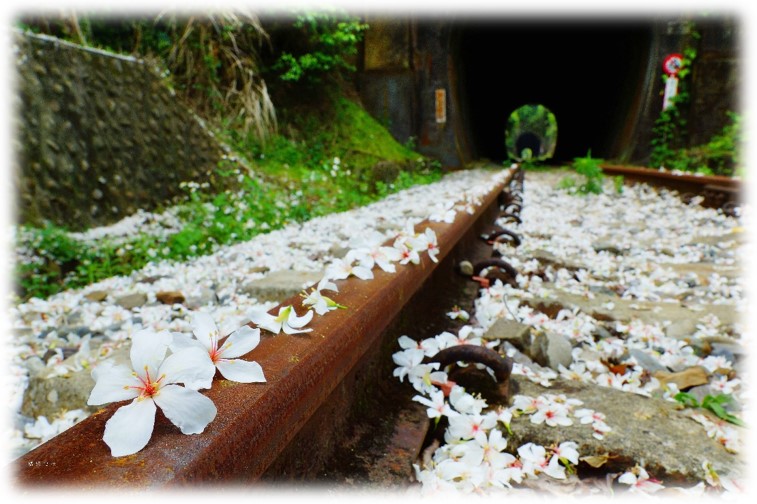
三義的生活依循季節展開。春季油桐花盛開,冬季芥菜經日曬、揉鹽與發酵製成福菜,客家料理則保留「油、鹹、香」的飲食特色。木雕、藍染與木作體驗,也讓傳統技藝以不同形式融入當代生活。近年返鄉青年、社區組織與學校共同參與地方行動,從木材產業再生、公民審議到巴宰族文史保存,持續拓展慢城的文化深度。三義的慢,是在木香、霧氣與人情之間,重新感受土地與職人共同雕刻的山城日常。

Here, mountain landscapes, Hakka heritage, railway history, and traditional craftsmanship come together to shape a distinctive Cittaslow community.

Beginning at Shuimei Woodcarving Street and Guangsheng Old Street, visitors can follow the historic Old Mountain Line Railway to Shengxing Station and Longteng Bridge. Along the way, woodcarving workshops, historic streets, and railway heritage reveal the close relationship between local industry, history, and everyday life.

The rhythm of life in Sanyi follows the changing seasons. In spring, hillsides are covered with blooming tung blossoms, while in winter, mustard greens are traditionally preserved through sun-drying, salting, and fermentation to produce the local specialty known as fucai. Hakka cuisine continues to reflect its characteristic flavors, while experiences in woodcarving, indigo dyeing, and woodworking enable traditional craftsmanship to be appreciated and passed on in contemporary ways.

In recent years, returning young residents, community organizations, and local schools have collaborated on initiatives ranging from timber industry revitalization and civic participation to the preservation of Pazeh cultural heritage. Together, these efforts continue to enrich the cultural depth and sustainability of Sanyi as a Cittaslow community.

The essence of Sanyi's slow lifestyle is found not only in its mist-covered mountains or the fragrance of wood, but also in the enduring relationship between people, craftsmanship, and place. It is a mountain town where tradition and everyday life continue to shape one another with care and intention.

木雕工藝Woodcarving Heritage舊山線Old Mountain Line Railway客庄文化Hakka Culture
前往投票Go Vote
南庄鄉代表照片代表影像Photo

苗栗縣Miaoli County

南庄鄉Nanzhuang Township

多元族群與山林共生的文化山城A Mountain Cittaslow Where Diverse Cultures and Nature Thrive Together

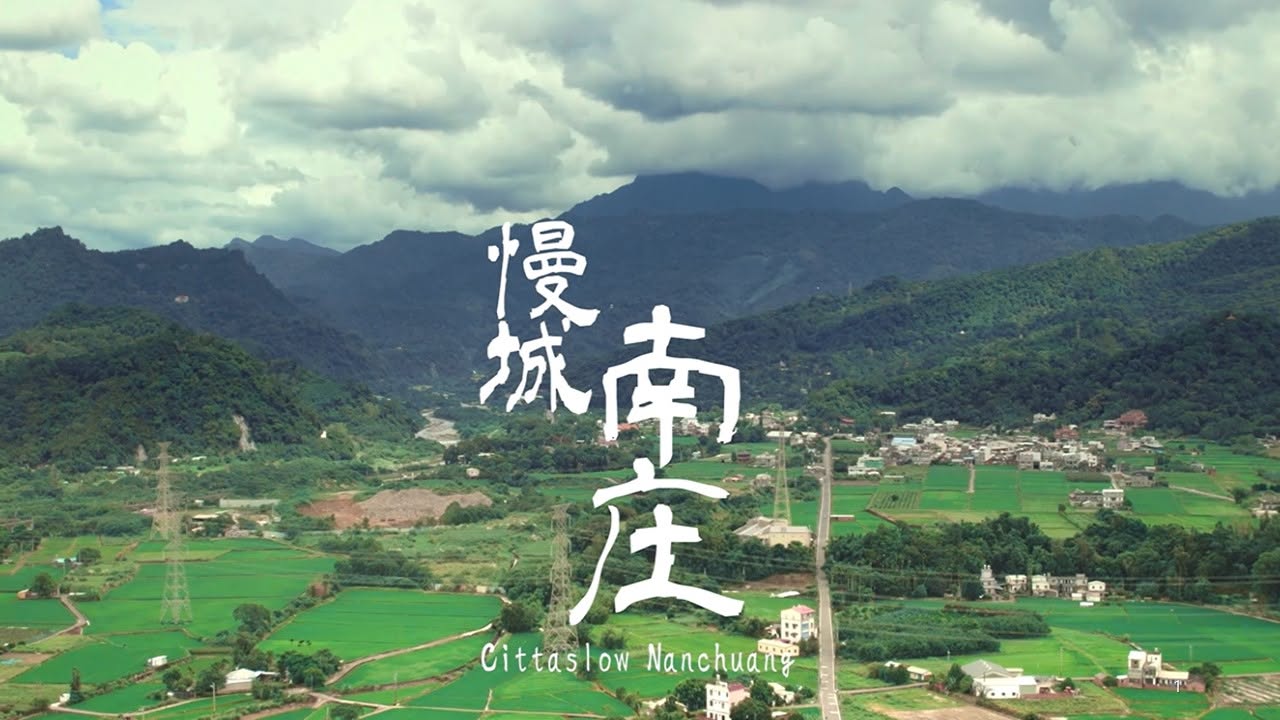
南庄鄉坐落於苗栗縣東北方、雪山山脈旁,是一座融合賽夏族、泰雅族、客家、閩南與新住民文化的農村山城。Nestled beside the Xueshan Mountain Range in northeastern Miaoli County, Nanzhuang Township is a mountain community where the cultures of the Saisiyat, Atayal, Hakka, Hoklo, and newer immigrant communities have flourished together.

展開完整介紹收合介紹Read full introductionCollapse

早期地方產業以樟腦、煤礦與林業為主,隨著時代轉變,逐漸發展出以生態、文化與聚落生活為核心的慢遊模式。從南庄老街、桂花巷與十三間老街出發,走過康濟吊橋,再前往蓬萊溪護魚步道、向天湖或加里山,可以在巷弄、溪流及森林之間,理解人與山林長期共存的生活方式。

南庄的季節也與地方物產及文化緊密相連。春季桐花綻放,四、五月桂竹筍進入產期,客家料理呈現順應節氣的飲食智慧;賽夏族祭儀、泰雅族山林知識、染織與竹籐工藝,則保存不同族群與土地互動的記憶。南庄的慢城精神,是在發展旅遊的同時尊重部落、保護溪流與森林,讓文化不只是被觀看的表演,而是居民持續實踐的生活,並在多元族群的共治與共享中,形成永續宜居的山城。

Once sustained by the camphor, coal mining, and forestry industries, the township has gradually transformed into a destination where ecological conservation, cultural heritage, and community life form the foundation of its slow-living philosophy.

From Nanzhuang Old Street, Osmanthus Lane, and Shisanjian Old Street, visitors can cross Kangji Suspension Bridge before continuing to the Penglai River Fish Conservation Trail, Xiangtian Lake, or Mount Jiali. Walking through narrow lanes, alongside streams, and into mountain forests reveals a way of life that has long embraced harmony between people and nature.

The changing seasons are closely intertwined with local produce and cultural traditions. Tung blossoms brighten the hillsides in spring, while Makino bamboo shoots reach their peak harvest during April and May. Hakka cuisine reflects seasonal wisdom, and the ceremonial traditions of the Saisiyat people, the mountain knowledge of the Atayal people, together with traditional weaving and bamboo craftsmanship, preserve the enduring relationship between different communities and their natural environment.

The Cittaslow spirit of Nanzhuang lies in balancing tourism with respect for Indigenous communities and the protection of rivers and forests. Culture is not presented merely as a performance for visitors, but continues to be lived, practised, and shared by local residents, creating a mountain town that is both sustainable and deeply rooted in cultural diversity.

多元族群Cultural Diversity山林生態Mountain Ecology聚落文化Community Heritage
前往投票Go Vote
大林鎮代表照片代表影像Photo

嘉義縣Chiayi County

大林鎮Dalin Township

從稻田、老街到戲院的人情慢城A Cittaslow Rooted in Rice Fields, Historic Streets, and Community Life

大林鎮舊稱「大蒲林」,位於嘉南平原,是一座以農業、社區人情與歷史空間共同形塑的慢城。Formerly known as Dapulin, Dalin Township lies on the fertile Jianan Plain and is a Cittaslow community shaped by agriculture, historic spaces, and the warmth of local relationships.

展開完整介紹收合介紹Read full introductionCollapse

肥沃土地孕育稻米、麻竹筍、鳳梨、香蕉與蝴蝶蘭等農產,從春季插秧到秋季收割,地方生活始終依循農作與節氣展開。居民在土地上累積的農業知識與友善耕作行動,也讓農村不只是生產空間,更成為維繫社區關係的重要基礎。

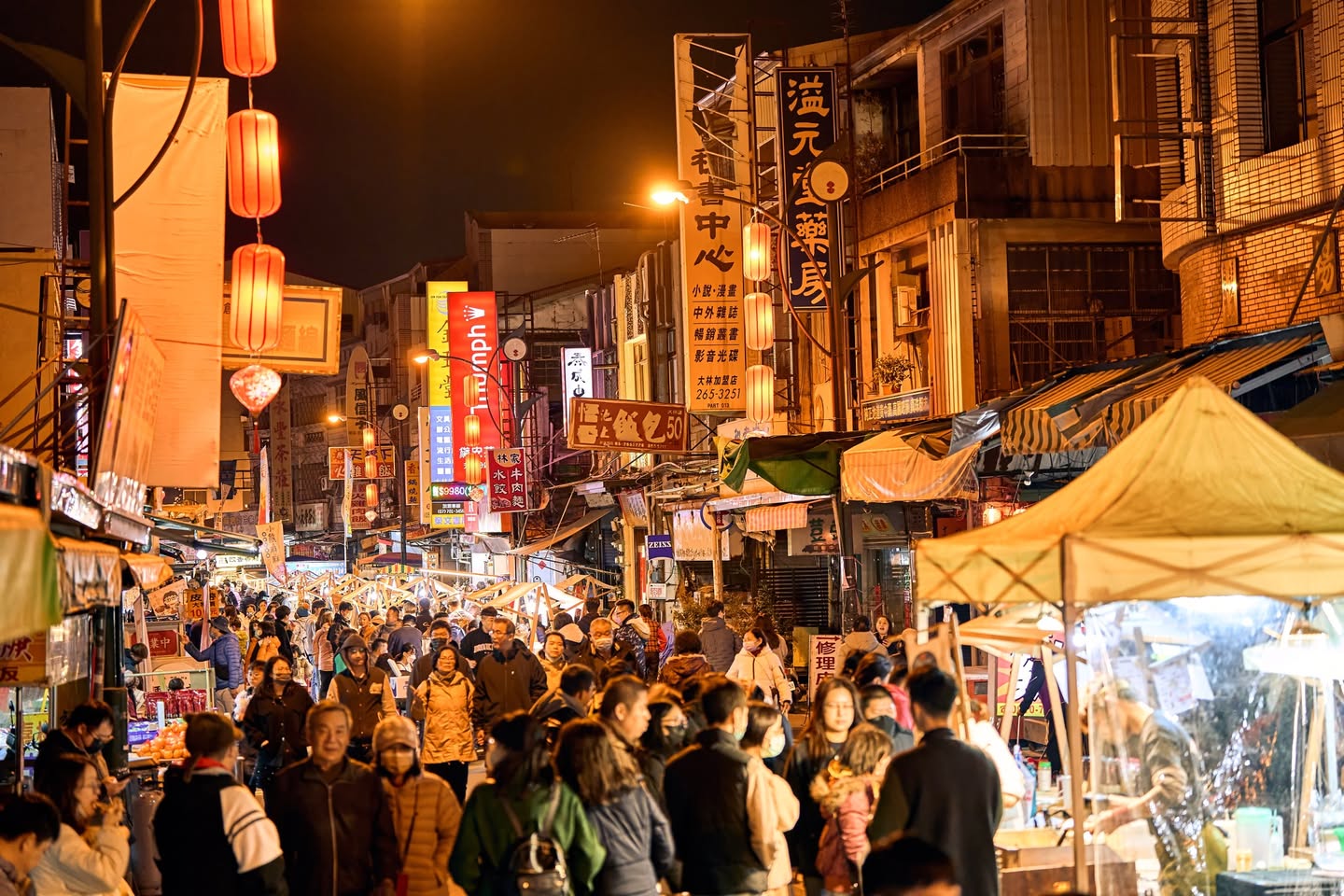
從大林車站沿著街區散步,可以走進傳統市場、地方老店、萬國戲院與大林糖廠,感受小鎮不同時期留下的生活記憶。經由居民參與修復與活化,萬國戲院重新成為地方文化的重要據點;居民共同打造的六三公園,也呈現社區營造累積出的生活美學。每年春季,陳井寮黃花風鈴木形成金黃色田園廊道,為農村增添季節景觀。大林的慢,不在追求快速開發,而在珍惜農業、老建築與熟悉的人情,讓日常生活本身成為小鎮最動人的風景。

Rich farmland supports the cultivation of rice, giant bamboo shoots, pineapples, bananas, and Phalaenopsis orchids. From rice planting in spring to harvest in autumn, daily life follows the rhythm of farming and the changing seasons. Generations of agricultural knowledge and environmentally friendly farming practices have made the countryside not only a place of production, but also a foundation for community connection.

Beginning at Dalin Railway Station, visitors can stroll through traditional markets, long-established local shops, the Wan Guo Theatre, and the former Dalin Sugar Factory, discovering the layers of history that have shaped the town. Through community-led restoration and revitalisation, the Wan Guo Theatre has become an important cultural landmark once again, while Liu-San Park reflects the shared efforts and creativity of local residents in community building. Each spring, the golden blossoms of the Tabebuia chrysantha trees in Chenjingliao create a spectacular rural avenue, adding seasonal beauty to the agricultural landscape.

For Dalin, the spirit of "slow" is not found in rapid development, but in cherishing agriculture, preserving historic architecture, and sustaining the close-knit relationships that define everyday life. Here, ordinary moments become the town's most memorable scenery.

友善農業Environmentally Friendly Agriculture萬國戲院Wan Guo Theatre社區人情Community Life
前往投票Go Vote

屏東縣Pingtung County

竹田鄉Zhutian Township

在水圳與驛站之間延續六堆客庄Preserving Liudui Hakka Heritage Along Canals and a Historic Railway Station

竹田鄉位於屏東平原中央,是六堆客庄中的「中堆」,長久以來以農業、水圳、聚落信仰與客家生活文化形塑地方樣貌。Located in the heart of the Pingtung Plain, Zhutian Township is the central settlement of the historic Liudui Hakka region.

展開完整介紹收合介紹Read full introductionCollapse

從一九三九年建成的日式木造竹田驛站出發,沿著糶糴村、水圳與傳統聚落緩步前行,可以讀見過去農產運輸、客家移墾與居民日常留下的歷史痕跡。驛站園區內的池上一郎文庫,則呈現臺灣與日本民間交流所累積的特殊文化記憶。

檸檬、文心蘭與傳統釀造醬油,是竹田具代表性的地方產業;盤花信仰、檳榔扇工藝與老街生活,則保存客庄細緻的手作與祭祀文化。農曆二月伯公生時,居民透過祭祀、盤花與聚落參與,表達對土地及地方守護神的感謝。竹田的慢城價值,不在創造新的觀光符號,而是由社區共同保存驛站、水圳、農村景觀與生活信仰,讓客家文化在當代仍持續被使用、理解與傳承。

For generations, its identity has been shaped by agriculture, irrigation canals, community beliefs, and Hakka cultural traditions.

Beginning at Zhutian Railway Station—a beautifully preserved Japanese-era wooden station completed in 1939—visitors can stroll through Tiaodi Village, irrigation canals, and traditional settlements, discovering the historical traces of agricultural transport, Hakka migration, and everyday community life. Within the station precinct, the Ikegami Ichiro Library preserves a unique chapter in the long-standing cultural exchange between Taiwan and Japan.

Lemons, Oncidium orchids, and traditionally brewed soy sauce represent some of Zhutian's best-known local industries. Meanwhile, floral offerings known as Panhua, areca-palm fan craftsmanship, and the rhythms of life along the old streets preserve the refined craftsmanship and ritual traditions of Hakka culture.

Each year, during the birthday celebration of the Earth God (Bogong) in the second lunar month, residents express gratitude to the land and their local guardian deity through worship ceremonies, Panhua floral displays, and community participation.

The Cittaslow values of Zhutian are not expressed through creating new tourist attractions, but through the collective preservation of its historic railway station, irrigation network, rural landscapes, and community traditions. In doing so, Hakka culture continues to be lived, understood, and passed from one generation to the next.

六堆客庄Liudui Hakka Heritage竹田驛站Zhutian Railway Station盤花信仰Panhua Floral Tradition
前往投票Go Vote
池上鄉代表照片代表影像Photo

臺東縣Taitung County

池上鄉Chishang Township

讓稻田成為生活與藝術的共同舞台Where Rice Fields Become a Shared Stage for Life and Art

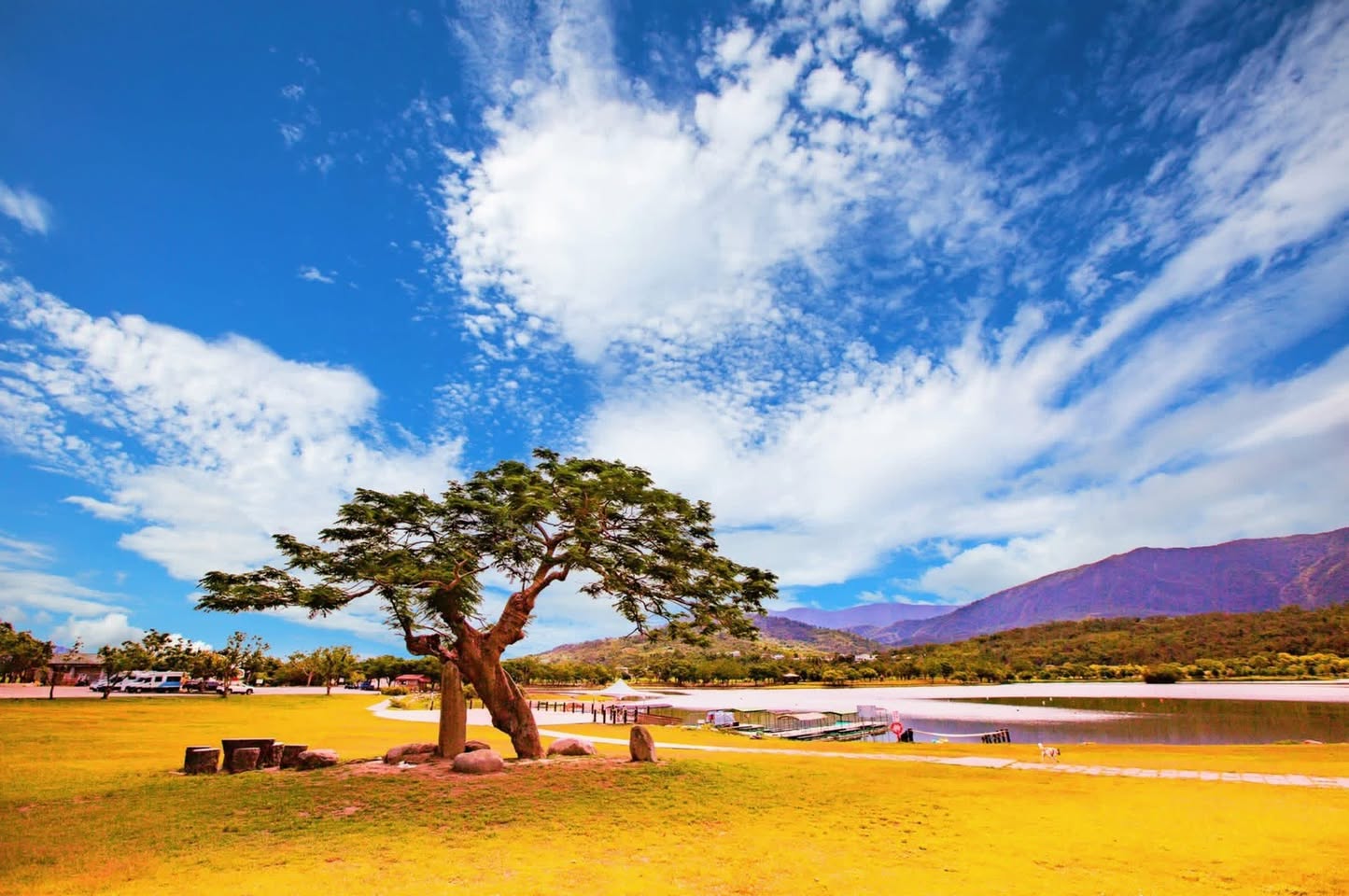
池上鄉位於花東縱谷核心,中央山脈與海岸山脈環繞,開闊稻田、純淨水源與四季農作共同塑造小鎮性格。Located in the heart of the Huatung Valley, Chishang Township is surrounded by the Central Mountain Range and the Coastal Mountain Range.

展開完整介紹收合介紹Read full introductionCollapse

池上長期推動池上米認證,讓米不只是一項地方農產,也成為土地品質、農業技術與地方認同的共同象徵。從插秧、照田到收割,居民的日常始終與稻作節奏相連,田野也因此成為一座持續變化的生活風景。

騎著單車穿過萬安村、伯朗大道、天堂路與田埂小路,再前往大坡池,可以在知名景點之外,看見農人工作、居民散步與聚落生活。春耕、夏長、秋收、冬季休養土地,池上的時間始終跟著農事展開;秋收稻穗藝術節、穀倉藝術館與地方藝文活動,則讓農田成為文化交流的舞台。池上的慢,不是把農村變成供人觀看的風景,而是透過景觀維護、社區參與與藝術創生,讓農業、文化與居民生活彼此支持。

Its vast rice fields, pure water sources, and seasonal agricultural cycles have shaped the unique character of this rural community.

Through the long-term promotion of the Chishang Rice certification system, rice has become more than a local agricultural product. It represents the quality of the land, agricultural knowledge, and the collective identity of the community. From transplanting seedlings and tending the fields to harvesting rice, the daily lives of residents remain closely connected to the rhythm of farming, transforming the landscape into a constantly evolving scene of everyday life.

Cycling through Wanan Village, Brown Boulevard, Paradise Road, and the narrow paths between rice fields before reaching Dapo Pond allows visitors to experience more than the township’s well-known attractions. Along the way, they can observe farmers at work, residents enjoying leisurely walks, and the rhythms of village life. Spring cultivation, summer growth, autumn harvest, and winter rest for the land continue to guide the passage of time in Chishang.

Events such as the Autumn Rice Harvest Art Festival, Rice Barn Gallery, and local cultural activities transform farmland into a platform for artistic and cultural exchange. The essence of Chishang’s slow lifestyle is not about turning rural landscapes into scenery for observation, but about sustaining the relationship between agriculture, culture, and community through landscape conservation, local participation, and creative practices.

池上米Chishang Rice稻田藝術Rice Field Art單車慢遊Slow Cycling Experience
前往投票Go Vote

連江縣Lienchiang County

東引鄉Dongyin Township

在海風、石階與戰地記憶中慢下來Slowing Down Among Sea Winds, Stone Steps, and Wartime Memories

東引鄉位於馬祖列島最北端,是臺灣位置最北的鄉鎮。Located at the northernmost point of the Matsu Archipelago, Dongyin Township is the northernmost township of Taiwan.

展開完整介紹收合介紹Read full introductionCollapse

花崗岩海岸、陡峭地形、閩東聚落與戰地遺構,形成具有強烈島嶼辨識度的慢城景觀。從忠誠門拾級而上,穿過中柳村與樂華村的階梯巷弄,可以在老屋、軍事空間與居民生活之間,看見東引從閩東漁村、戰地政務到觀光發展所累積的歷史層次。

島上的飲食與海洋環境緊密相連,黃魚、橫帶石鯛、紅糟、繼光餅、老酒與高粱酒,共同構成東引特有的地方風味。冬季釀製的老酒經過長時間低溫發酵,保存島嶼飲食中的時間滋味。東湧燈塔、花崗岩海蝕地景、藍眼淚與黑尾鷗,也讓極北島嶼在四季展現不同表情。東引所追求的質感觀光,是透過聚落美學、環境整理與文化活動,守住純淨海岸、暗空星景與居民日常,讓旅人以更慢的方式理解島嶼。

Its granite coastlines, steep terrain, Eastern Min settlements, and wartime heritage sites create a distinctive island landscape with a strong sense of place.

Beginning at the Zhongcheng Gate and walking upward through the stone stairways and narrow lanes of Zhongliu and Lehua villages, visitors can discover the historical layers of Dongyin—from an Eastern Min fishing community and military frontier to its present development as an island destination. Traditional houses, military structures, and everyday village life together reveal the township’s unique historical transformation.

The island’s cuisine is deeply connected to its marine environment. Yellow croaker, striped beakfish, red yeast specialties, Jiguang biscuits, traditional aged wine, and sorghum liquor form the distinctive flavours of Dongyin. Produced through long periods of low-temperature fermentation during winter, aged wine preserves not only the taste of the island, but also the passage of time embedded in local food traditions.

Dongyong Lighthouse, granite coastal landscapes shaped by marine erosion, the famous Blue Tears phenomenon, and black-tailed gulls reveal different expressions of this northern island throughout the seasons.

The quality tourism pursued by Dongyin is not based on mass development, but on preserving the beauty of settlements, environmental landscapes, and cultural traditions. Through community aesthetics, environmental care, and local cultural activities, Dongyin protects its clean coastline, dark skies filled with stars, and everyday island life—allowing visitors to understand the island at a slower and more meaningful pace.

海蝕地景Marine Erosion Landscapes戰地記憶Wartime Heritage島嶼生活Island Life
前往投票Go Vote
和平區代表照片代表影像Photo

臺中市Taichung City

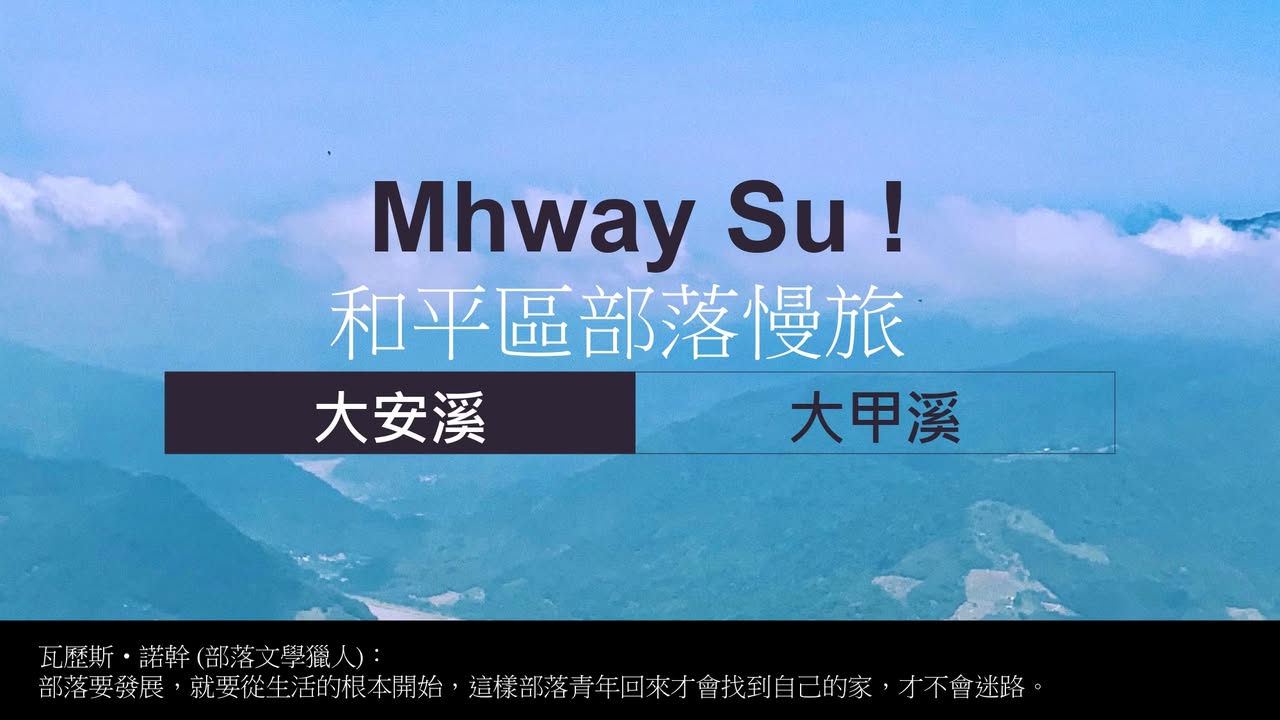
和平區Heping District

順著山林四季前行的泰雅原鄉Following the Seasons of the Mountains in the Atayal Homeland

和平區位於臺中市東北山區,是臺中市面積最大的行政區。Located in the northeastern mountains of Taichung City, Heping District is the largest administrative district in the city by area.

展開完整介紹收合介紹Read full introductionCollapse

森林、溪谷、高山聚落與不同海拔的農業景觀,共同構成壯麗而多變的泰雅原鄉。梨山、谷關、武陵、大雪山與八仙山等地,擁有豐富的森林生態、溫泉及高山風景。果農依循四季與氣候工作,從冬季修枝、春季開花到夏秋採收,孕育水蜜桃、水梨、甜柿、茶葉及高山蔬果。

走進大安溪與大甲溪流域的部落,可以透過傳統家屋、泰雅編織、山林狩獵文化與原民飲食,理解族人與山林共存的生活智慧。「跟著Siliq去旅行」以部落見學取代快速觀光,讓居民成為文化敘事與旅遊接待的主體;博屋瑪國小的原住民族實驗教育,也為語言與文化傳承開啟新的道路。和平的慢,是順著山林四季安排生活,在自然限制中找到合宜的發展方式,讓文化傳承、農業生產與青年返鄉共同形成原鄉永續的力量。

Forests, river valleys, high-mountain settlements, and agricultural landscapes across different elevations together create the magnificent and diverse character of the Atayal homeland.

The areas of Lishan, Guguan, Wuling, Daxueshan, and Baxianshan are renowned for their rich forest ecosystems, hot springs, and alpine scenery. Local farmers work in harmony with seasonal changes and climatic conditions, from winter pruning and spring blossoms to summer and autumn harvests, cultivating peaches, pears, persimmons, tea, and high-mountain vegetables.

Entering the Indigenous communities along the Daan River and Dajia River basins, visitors can discover the wisdom of living together with the mountains through traditional houses, Atayal weaving, forest hunting traditions, and Indigenous cuisine.

The "Travel with Siliq" program replaces fast-paced tourism with community-based cultural experiences, allowing local residents to become the storytellers of their culture and hosts of meaningful encounters. The Indigenous experimental education program at P'uma Elementary School also provides new opportunities for language revitalisation and cultural transmission.

The Cittaslow spirit of Heping lies in following the rhythms of the mountains and seasons, finding appropriate paths of development within the boundaries of nature. Through the combined efforts of cultural preservation, agricultural production, and young people returning to their homeland, Heping continues to build a sustainable future rooted in its Indigenous heritage.

泰雅文化Atayal Culture高山農業Alpine Agriculture部落見學Indigenous Community Experiences
前往投票Go Vote

雲林縣Yunlin County

古坑鄉Gukeng Township

一杯咖啡連起山村、人文與生態A Cup of Coffee Connecting Mountains, Communities, and Nature

古坑鄉的地景從嘉南平原逐漸延伸至丘陵與山區,被稱為「雲林縣的後花園」。Stretching from the Jianan Plain into rolling hills and mountain landscapes, Gukeng Township is often celebrated as the "back garden" of Yunlin County.

展開完整介紹收合介紹Read full introductionCollapse

地方以咖啡、柳丁與麻竹筍等農產聞名,其中古坑咖啡在海島型氣候與山區環境中發展出鮮明特色。咖啡產業歷經不同時期的興衰,近年由在地農民與返鄉青年重新投入栽培、採收、加工及烘焙,讓一杯咖啡重新連結農業技術、土地環境與居民故事。

走進華山、草嶺與山村聚落,可以在咖啡園、古厝、石砌文化及森林步道之間,看見咖啡館之外的農村日常。綠色隧道、草嶺地質景觀與華山文學步道,也將自然生態、地方文學與休閒生活彼此串聯。古坑積極推動心靈生態、環境教育與實驗教育,並藉由咖啡文化節及橙色生活節凝聚居民的慢城意識。古坑的慢,不只是坐下喝咖啡,而是在農作、山林與社區參與中,建立一種尊重生命、珍惜環境的生活方式。

The township is renowned for its coffee, oranges, and giant bamboo shoots, with Gukeng coffee developing a distinctive character through its subtropical island climate and mountainous environment.

After experiencing periods of prosperity and decline, the local coffee industry has been revitalised in recent years by farmers and young people returning to their hometowns. Through cultivation, harvesting, processing, and roasting, a single cup of coffee has once again become a bridge connecting agricultural knowledge, the natural environment, and the stories of local communities.

Beyond its cafés, Huashan, Caoling, and the surrounding mountain villages reveal the authentic rhythm of rural life. Coffee plantations, traditional residences, stone-built landscapes, and forest trails illustrate the close relationship between people and the land. The Green Tunnel, the Caoling geological landscape, and the Huashan Literary Trail further connect ecological conservation, local literature, and leisure experiences into a distinctive cultural landscape.

Gukeng actively promotes ecological well-being, environmental education, and experimental learning while strengthening its Cittaslow identity through events such as the Taiwan Coffee Festival and the Orange Lifestyle Festival.

For Gukeng, "slow" is more than taking time to enjoy a cup of coffee. It is a way of life cultivated through farming, mountain ecology, and community participation—one that encourages respect for nature, appreciation of the environment, and care for all living things.

臺灣咖啡Taiwanese Coffee丘陵生態Hillside Ecology心靈慢活Mindful Slow Living
前往投票Go Vote
玉里鎮代表照片代表影像Photo

花蓮縣Hualien County

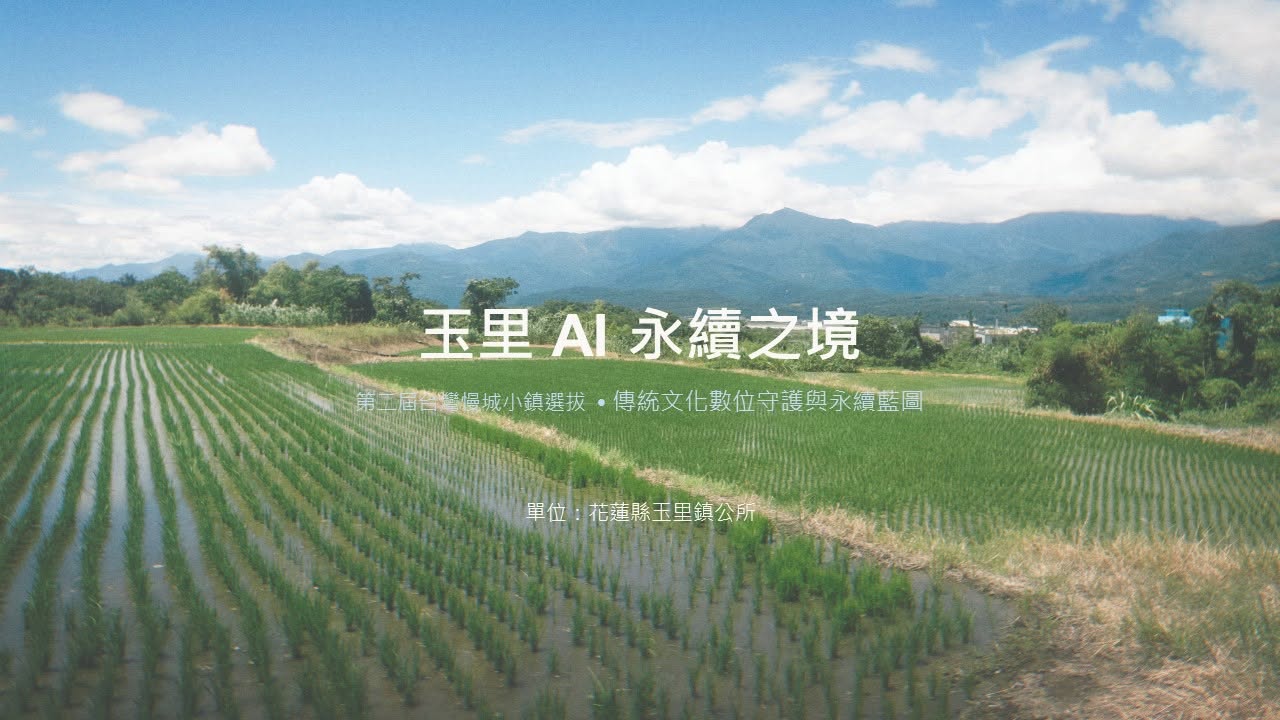
玉里鎮Yuli Township

跟著稻浪、金針與市場過日子Living in Rhythm with Rice Fields, Daylilies, and the Marketplace

玉里鎮位於花東縱谷中段,舊稱「璞石閣」,四周群山環繞,高山水源滋養廣大的農田與聚落。Situated in the heart of the Huatung Valley, Yuli Township—formerly known as Pusikaku—is surrounded by mountain ranges and nourished by pristine waters flowing from the highlands.

展開完整介紹收合介紹Read full introductionCollapse

玉里米、赤科山金針與櫻桃鴨,被視為地方重要物產;玉里麵與安通溫泉,也成為居民生活及地方旅行的重要記憶。從玉里火車站出發,沿著圓環、傳統市場、製麵廠、洗衣亭與協天宮慢慢行走,可以看見小鎮百年來累積的產業、信仰與生活痕跡。

玉里也是阿美族部落分布密集的地區,部落祭儀、歌謠、飲食與手工藝,展現人與山林共存的生活智慧。織羅部落延續Mipaliu互助換工精神,並將合作、分享與農事教育帶入當代生活。春季插秧、夏季豐年祭與金針花季、秋季稻米收成,玉里的時間始終跟著農作與市場流動。地方青年也透過甜點、茶飲及農產加工重新詮釋風土。玉里的慢,是讓農業、部落文化與青年創意彼此支持,延續一座縱谷小鎮可以長久生活的節奏。

These abundant natural resources sustain extensive farmlands and thriving communities. Yuli rice, the golden daylilies of Chike Mountain, and Cherry Valley ducks are among the township's signature agricultural products, while Yuli noodles and Antong Hot Springs have become enduring symbols of local life and travel memories.

Beginning at Yuli Railway Station, visitors can wander through the town's roundabout, traditional market, noodle-making workshops, public washing pavilion, and Xietian Temple, discovering the layers of industry, faith, and everyday life that have accumulated over more than a century.

Yuli is also home to numerous Amis Indigenous communities, where ceremonial traditions, songs, cuisine, and handicrafts continue to embody a way of life rooted in harmony with the mountains and the land. At Ceroh Community, the traditional spirit of Mipaliu—a system of mutual cooperation and shared labour—continues to inspire contemporary community life through collaboration, knowledge sharing, and agricultural education.

From rice planting in spring to the Amis Harvest Festival and Chike Mountain Daylily Season in summer, followed by the autumn rice harvest, the rhythm of Yuli is guided by agriculture and the local marketplace. Young entrepreneurs are also reinterpreting local terroir through handcrafted desserts, tea, and agricultural products.

In Yuli, the essence of "slow" lies in the mutual support between agriculture, Indigenous culture, and youthful creativity, sustaining a valley town where people and place continue to flourish together.

赤科山金針Chike Mountain Daylilies阿美族文化Amis Culture縱谷農業Valley Agriculture
前往投票Go Vote
鹿野鄉代表照片代表影像Photo

臺東縣Taitung County

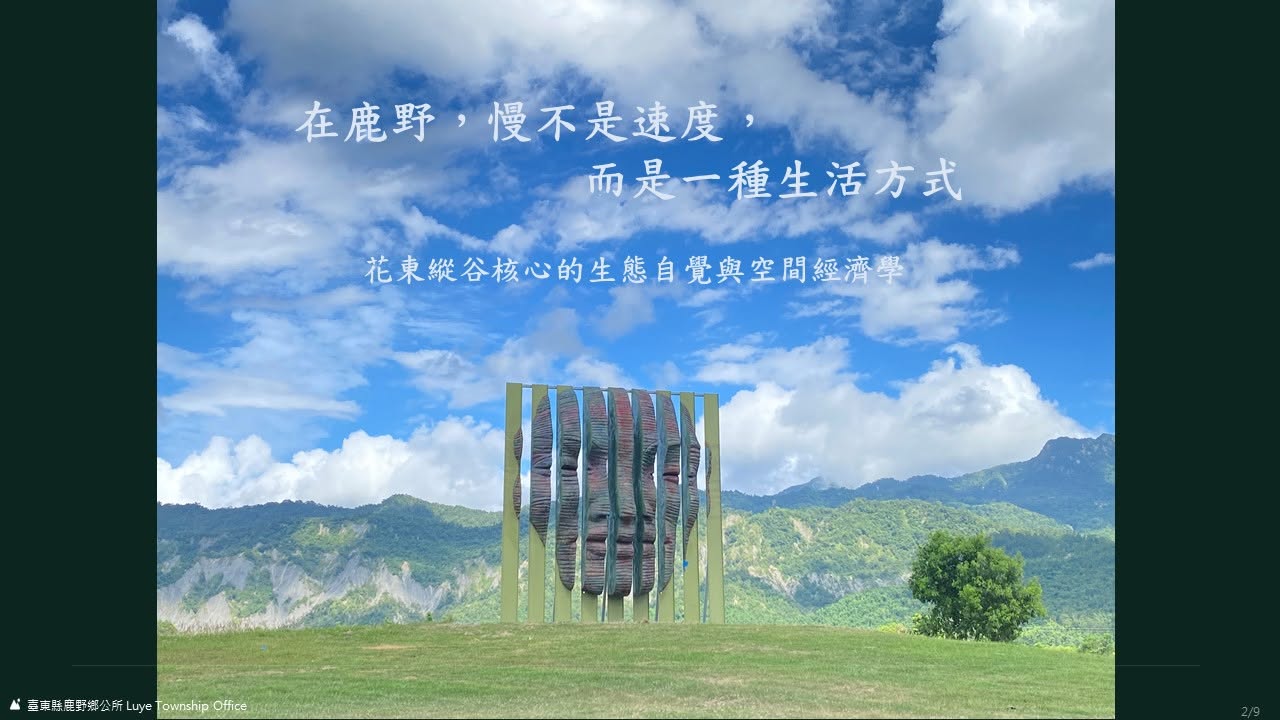
鹿野鄉Luye Township

茶香、田野與天空展開的縱谷慢生活A Valley of Slow Living Unfolding Through Tea, Fields, and Open Skies

鹿野鄉位於卑南溪與鹿野溪匯流地帶,中央山脈與海岸山脈之間的開闊地景,孕育茶園、稻田、鳳梨田與多元農業生活。Located at the meeting point of the Beinan River and the Luye River, Luye Township is embraced by the open landscapes between the Central Mountain Range and the Coastal Mountain Range.

展開完整介紹收合介紹Read full introductionCollapse

地方擁有阿美族、平埔族、日本移民與閩客族群共同生活的歷史,留下龍田聚落、日式建築、綠色隧道與不同時期的文化記憶。鹿野以「一高、二水、三業」概括地方特色,其中高台空域、溪流環境,以及茶、米與鳳梨,共同形塑小鎮產業。

紅烏龍是鹿野農業轉型的重要成果,返鄉青年延續製茶技藝,從採茶、製茶到品牌發展,讓茶香承載農人對土地的用心。走進龍田村,沿綠色隧道散步或騎車,可看見老屋、農田、甘仔店與居民自在生活的日常。熱氣球讓鹿野被更多人看見,但真正的慢城魅力,仍藏在茶季、農事、地方市集與聚落節奏中。鹿野的慢,是不盲目追求開發,而是在天空、田野與多元文化之間,建立能夠長久生活的地方韌性。

Its tea plantations, rice fields, pineapple farms, and diverse agricultural practices have shaped a vibrant valley community.

Luye carries a rich history of cultural diversity, where the Amis people, Pingpu communities, Japanese settlers, and Hoklo-Hakka groups have lived together over generations. Their shared memories remain visible in Longtian Settlement, Japanese-style architecture, the Green Tunnel, and the cultural landscapes formed throughout different historical periods.

The local character of Luye is often described through "one highland, two waterways, and three industries"—the highland landscape, river environments, and the three major agricultural products of tea, rice, and pineapple together define the township’s identity.

Red Oolong tea represents an important achievement in Luye’s agricultural transformation. Young people returning to their hometowns have continued traditional tea-making skills while developing new approaches to tea production and branding, allowing the aroma of tea to carry the dedication of farmers and their connection to the land.

Walking or cycling through Longtian Village and its Green Tunnel, visitors can encounter traditional houses, farmland, small local shops, and the relaxed rhythm of everyday community life. Although hot air balloons have brought wider attention to Luye, the true charm of this Cittaslow community remains in its tea seasons, agricultural cycles, local markets, and village rhythms.

The slow spirit of Luye is not found in pursuing rapid development, but in building long-term resilience among the sky, fields, and diverse cultures—creating a place where people can continue to live in harmony with the land.

紅烏龍Red Oolong Tea龍田聚落Longtian Settlement高台慢遊Highland Slow Travel
前往投票Go Vote